Haguiesta: A Playful Handwritten Script Font for Modern Editorial Design
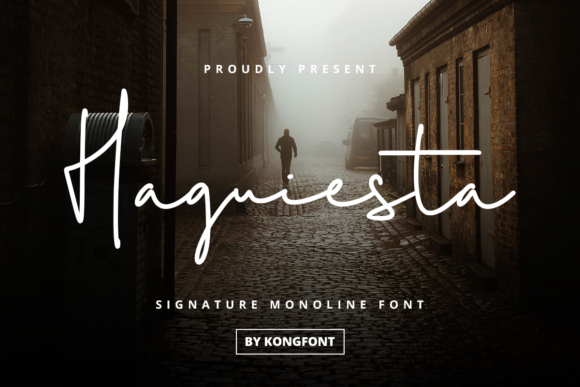
Haguiesta is a modern and playful handwritten script font that brings a sense of creativity and warmth to editorial design. Its organic, flowing strokes and natural imperfections give it a personal touch, making it ideal for content creators who want to add character to their publications.
Visual Characteristics and Editorial Appeal
The visual style of Haguiesta reflects a casual, hand-drawn aesthetic that feels both approachable and artistic. Its curves and variations in stroke width mimic the natural flow of handwriting, giving it a unique personality that stands out from more formal typefaces. This makes it particularly well-suited for projects where a friendly or creative tone is desired.
With its playful yet readable structure, Haguiesta can be used effectively in a variety of editorial contexts. It works especially well as a display font for headlines, titles, and callouts, where it can draw attention without sacrificing legibility.
Using Haguiesta in Editorial Layouts
In blog headers, magazine covers, or ebook titles, Haguiesta adds a dynamic visual element that can enhance brand identity. Its use in section headings or chapter openers can help establish a consistent tone throughout a publication while keeping readers engaged.
For lifestyle blogs or recipe e-books, Haguiesta’s whimsical feel complements content that aims to inspire or entertain. In wedding guides or coaching workbooks, it can contribute to a warm, inviting atmosphere that resonates with the audience.
When designing printable guides or lead magnets, Haguiesta can serve as an eye-catching accent, especially when paired with more structured fonts for body text. This contrast helps maintain visual hierarchy and ensures readability across different sections of the content.
Readability and Practical Considerations
While Haguiesta excels as a display font, it's important to consider its performance in longer blocks of text. For body copy, pairing it with a clean serif or sans serif font ensures that the content remains easy to read on screens, in PDF exports, and in print formats.
Designers should also pay attention to how Haguiesta interacts with other elements on the page, such as line spacing, color contrast, and background textures. These factors can influence how well the font performs in different layouts and media.
Font Pairing and Typographic Harmony
One of the strengths of Haguiesta is its ability to complement other fonts in a thoughtful way. When used alongside a strong serif font like Garamond or a minimalist sans serif like Helvetica Neue, it creates a balanced typographic system that supports both visual interest and readability.
For digital magazines or newsletters, using Haguiesta for headlines and pull quotes while reserving a more neutral font for captions and navigation ensures that the design remains cohesive and functional across various platforms.
Commercial Use and Licensing
As a freebie font, Haguiesta offers value for bloggers, publishers, and content creators looking to elevate their designs without additional costs. However, those planning to use it in commercial projects such as paid ebooks, templates, or client publications should always check the licensing terms to ensure compliance.
Whether you're creating a printable planner, a course workbook, or a digital magazine, understanding the rules around font usage is essential for maintaining professionalism and avoiding potential legal issues.
Branding and Publication Identity
The choice of font plays a significant role in shaping the visual identity of a publication. Haguiesta’s distinctive style can help reinforce a brand’s personality, whether it’s youthful, creative, or expressive. Its presence in logos, headers, or promotional materials contributes to a unified and memorable brand experience.
By integrating Haguiesta into your editorial design workflow, you can create content that not only looks visually appealing but also communicates the right tone and message to your audience. It’s a versatile tool that supports both aesthetics and functionality in publishing and content creation.